Italian Coffee Culture for Visitors: 8 Bar Rules That Actually Matter
A practical guide to ordering, standing and paying at Italian coffee bars, with the eight unwritten rules that separate a smooth morning espresso from a confused one.
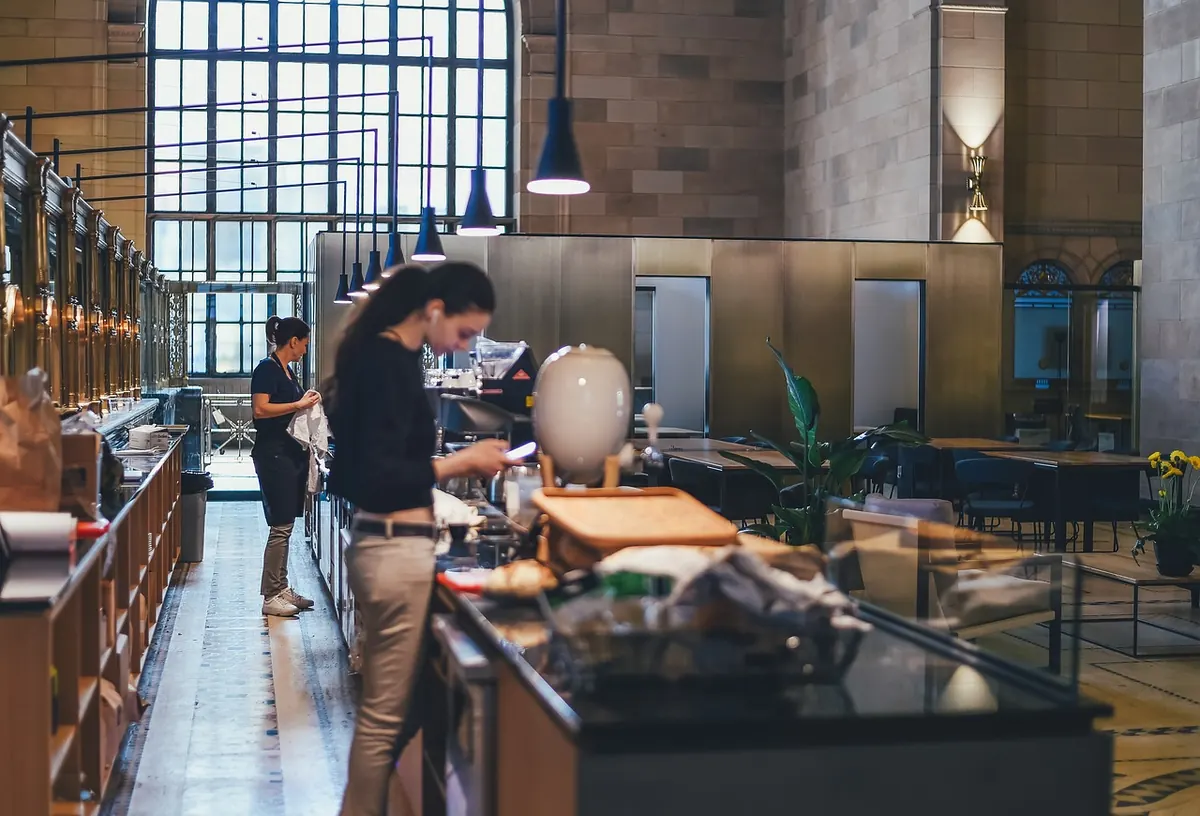
Few travel rituals look as simple as walking into an Italian bar and ordering a coffee, and few produce as much quiet confusion. The room is tiny, half the customers are standing, someone is calling out numbers, and the coffee arrives as a thimble of dark liquid you seem expected to finish in under a minute. None of it is difficult once you know the pattern. These are the eight rules that genuinely matter — the ones locals notice, and the ones that make your morning easier.
Rule 1: A Bar Is a Coffee Counter, Not a Pub
In Italy, a bar is not the place you go at nine in the evening for a pint and a booth. It is a coffee counter — often tiled, often tiny, often with a pastry case, a panini press, a gelato display and a stack of newspapers by the door. Many open before seven and do their heaviest business between eight and ten, when the whole neighbourhood files through in ninety seconds each.
That means two things. First, walk in and say buongiorno. It works more like a password than a greeting; the barista may only nod, but skipping it marks you immediately. Second, don't hunt for a queue. There usually isn't a line — find a free stretch of counter, catch the barista's eye when they pass, and order. Standing politely at the back for ten minutes while regulars push past is the single most common visitor mistake.
Rule 2: Standing Is the Default, Sitting Is a Different Service
Most bars run two systems. Standing at the counter, al banco, is the standard: quickest, cheapest, and where the Italians are. Sitting at a table, al tavolo, is table service, and you pay for the chair — sometimes a little, sometimes a great deal, especially on a piazza where the view is part of the bill. Some places add a service charge on top. The price board near the door or above the counter will tell you which system you have walked into.
There is no shame in sitting. If you want to read for half an hour in a square, take a table, pay the difference and enjoy it. Just don't expect counter prices while occupying a chair, and don't settle at a table in a busy morning bar without ordering. If it's unclear, ask: al banco o al tavolo?
Rule 3: Pay First, Then Order
In many bars the routine runs like this: you order and pay at the cassa, the register near the door; you take the printed receipt, lo scontrino; you hand it to the barista and tell them what you want. It is not universal — plenty of bars let you order at the counter and pay at the end, and small places often have the barista ring it up themselves. So watch the person ahead of you, or simply ask. Nobody will be offended.
Whatever you do, keep the receipt until you leave. Bars are required to issue one and inspectors do check. If yours has vanished, the conversation that follows is not one you want to be part of in any language. At a table, the order reverses: order, eat, then ask for the bill.
Rule 4: Order by Name, Not by Description
Here is the one that saves the most confusion. In Italy, un caffè means an espresso. Not a filter coffee, not a jug, not a mocha with syrup. Ask for "an espresso" and you'll be understood, but un caffè is what the person beside you says, and it moves the whole exchange along faster.
The bigger trap is the word latte. Order "a latte" and you have ordered a glass of milk. For the milky coffee, ask for a caffellatte or a latte macchiato.
The names worth knowing
- Un caffè — a single espresso, small cup, drunk fast.
- Caffè macchiato — espresso "stained" with a drop of hot milk.
- Cappuccino — espresso, steamed milk and foam, in a cup you can hold in one hand.
- Caffellatte — mostly hot milk with coffee, a breakfast order.
- Latte macchiato — a tall glass of milk with a shot of espresso poured in.
- Marocchino — espresso with cocoa and a little milk foam; common in the north.
- Corretto — espresso "corrected" with a splash of grappa or sambuca.
- Deca — decaffeinated. Say un deca and you'll get it.
- Caffè shakerato — espresso shaken with ice and sugar; a summer order.
If you want something longer and weaker, ask for an americano. A caffè lungo is a different thing — the same shot with more water pushed through it, not a bigger drink. Add per favore and you're done.
Rules 5 and 6: Match the Milk to the Hour, Then Drink and Go
These two belong together because both are about timing. Cappuccino is a morning drink. Locals take milk-heavy coffee with breakfast and switch to espresso afterwards; ordering one after a plate of pasta will earn you a look, though almost nobody will refuse you. If you want milk later in the day, ask for a caffè macchiato — a splash, not a cupful. It isn't a law, just a rhythm, and following it keeps you inconspicuous and, honestly, more comfortable.
The second habit: the counter is a pit stop, not a lounge. In the morning rush one bar may serve scores of people in an hour. Finish your coffee — two or three minutes is normal — set the cup down and step aside so the next person can reach the marble. Don't unpack, don't take a call with your elbow on the counter, don't ask for the password. Lingering is what the tables are for, and you already know what they cost.
One small thing: many bars will put a glass of water beside your coffee, sometimes without asking. It isn't guaranteed. If you'd like one, ask for un bicchiere d'acqua.
Rules 7 and 8: Takeaway Is Possible, Tipping Is Small
Drinking coffee while walking is not an Italian habit, and a lidded cardboard cup still reads as slightly foreign. That said, takeaway exists and is common near stations, offices and universities — ask da portare via and you will usually get a small paper cup. Just don't count on it everywhere, and don't be surprised if your espresso is set on the counter with an expectant look instead.
Tipping is not expected at a bar. Service is often folded into the table price, and at the counter nobody is calculating a percentage. Rounding up to the next euro, or leaving a coin or two on the saucer after table service, is a generous gesture; a fifteen or twenty per cent tip would be strange. If you want to leave the change, tenga il resto does the job.
One tradition worth knowing: in Naples you may come across a caffè sospeso — a coffee paid for in advance by one customer and left for someone who cannot afford one. You can join in, and it makes a better souvenir than anything in the shop next door.
Your First Morning, Step by Step
Here is the whole sequence in one go:
- Walk in and say buongiorno.
- Glance at the price board for the counter and table columns.
- Pay at the register, or at the counter if that is how this bar works. Keep the receipt.
- Hand the receipt to the barista and order: un caffè e un cornetto, per favore.
- Drink it standing, in two or three minutes.
- Set the cup down, say grazie, and go — or take a table if you would rather stay, and pay accordingly.
Do it twice and it stops feeling like a rulebook. The pleasure of an Italian morning coffee is that it is a small, unceremonious thing done in public alongside other people. Once you are standing at the counter with the regulars, cup in hand, you are no longer watching the ritual from the outside — you are part of it.
Photo: StockSnap / Pixabay