

First Long-Haul Flight Checklist: Documents, Medications, and Layovers
A practical preflight checklist for your first long-haul trip: the paperwork that gets checked, medications that must stay with you, and how to plan a layover you can live with.
The first long-haul flight is rarely ruined by the flight itself. It goes wrong at the edges: the passport that expires two weeks before you come home, the pills packed in the checked bag, the 55-minute connection between two airlines that have no agreement to help each other out. None of these are disasters on their own. Together they turn a smooth trip into an expensive afternoon at a transfer desk. What follows is the checklist worth running in the last week before you leave — short enough that you will actually use it.
Paperwork: what gets checked, and what saves you
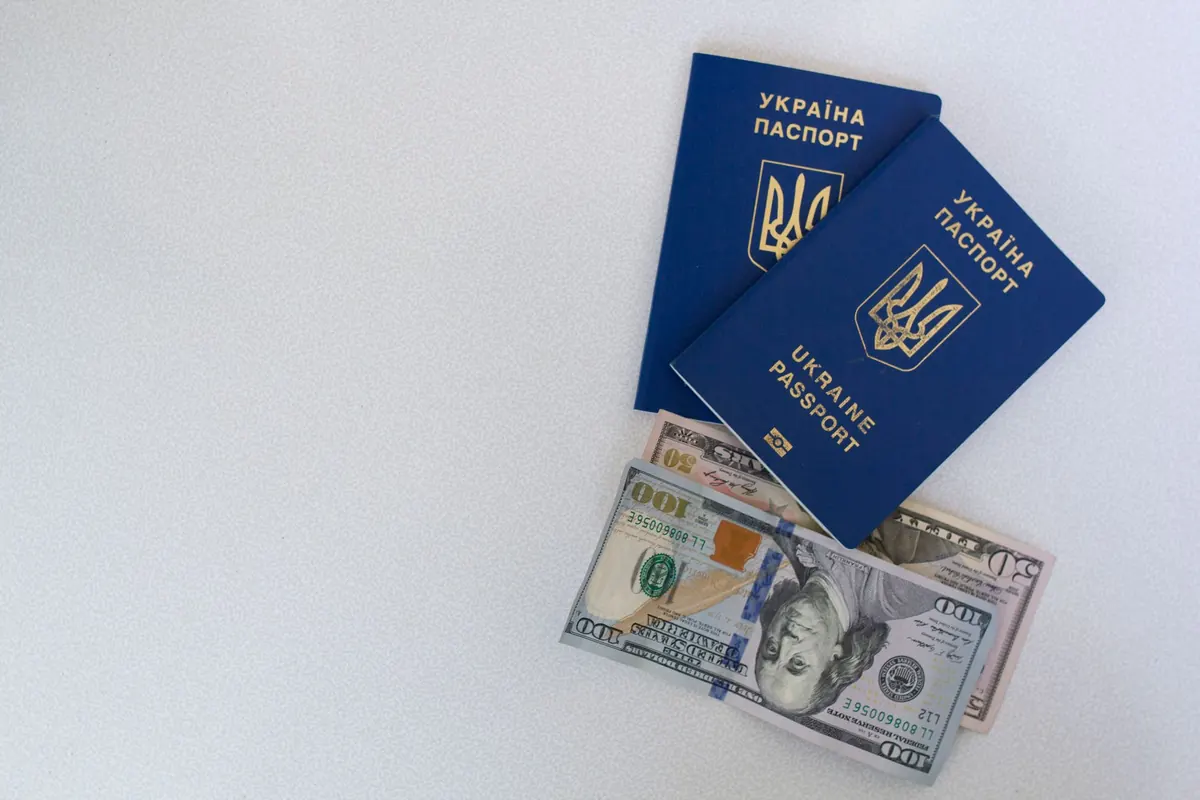
Start with the passport, and not just the expiry date on the photo page. Many countries require validity for several months beyond your planned return, and some require blank pages for stamps. The exact rule depends on where you are going, so check the destination's embassy or consulate website rather than a forum thread from four years ago. If your passport is close to its limit, renew now; it is the one item on this list you cannot fix at the airport.
Then look at the name. The ticket must match the passport, including middle names if the airline's system expects them. A missing middle name is usually fine, a misspelling is not, and fixing either close to departure can cost more than the flight. Do that check the day you book, then again when you check in.
Build one folder — paper or offline on your phone — with everything a border officer, an airline agent, or a hotel receptionist might ask for:
- Passport plus a photo of the data page saved offline
- Visa, e-visa, or entry authorisation printout, if one is required
- Return or onward ticket, showing the date you leave
- Travel insurance policy number and the 24-hour emergency line
- The address of your first night's accommodation, written out
- Booking references for every flight, train, and hotel
Print two copies of the itinerary and keep them in different bags. Phones die, airport Wi-Fi fails, and a printed page has never once needed a charger. If someone at home is expecting your arrival details, leave them a copy too.
Medications and health items: keep them with you
Prescription medication belongs in your carry-on, always, even on a flight where you plan to check a bag. Checked luggage gets delayed; your daily dose should not be part of that story. Bring enough for the whole trip plus a few extra days, keep everything in its original packaging with the pharmacy label intact, and carry a copy of the prescription. For controlled medicines, injectables, or anything you need to explain at customs, a short letter from your doctor describing the medication and the reason for it is worth the phone call.
One caution that catches people out: some medicines sold freely at home are restricted or require special permission elsewhere. Rules differ by country and change without much notice. Before you travel, confirm the status of anything you take regularly with the destination's embassy or a travel health clinic, and take the answer seriously.
The small health pouch
Nothing exotic here — just the things you would rather not hunt for in an unfamiliar pharmacy at midnight, in a language you do not speak:
- Your prescriptions and a written copy of them
- Painkillers, rehydration sachets, and something for an upset stomach
- Blister plasters and a small roll of tape for the walking days ahead
- Motion-sickness tablets if you are prone to it
- Hand sanitiser, a few masks, and any regular toiletries in travel sizes
Vaccinations and other preventive health decisions are a conversation, not a checklist item — book it with a travel health professional several weeks ahead, since some courses need time to work. The same applies to insurance: read what your policy actually covers for medical care abroad before you rely on it.
The layover: where good trips quietly fall apart
A layover is not dead time. It is the part of the journey most likely to decide whether you arrive rested or arrive at a counter explaining that you missed the only flight of the day. So read the connection before you book it, not after.
Ask three questions. Is it one ticket or two? On a single ticket, the airline is responsible for rebooking you if the first flight is late; on two separate tickets, you are the one absorbing that risk. Does the connection require changing terminals, and how long does that transfer take? And does it require clearing immigration and customs, as many first-entry points do — a step that can double the time you need?
If a connection makes you nervous on a booking screen, it will make you miserable in an airport.
For a first long-haul trip, two to three hours at a major hub is comfortable. Anything under 90 minutes at an unfamiliar airport is a gamble you do not need to take. Airports publish minimum connection times, but the minimum is what works when everything runs on schedule — and the inbound long-haul is exactly the flight most likely to run late.
Making a long layover work for you
If you have five hours or more, treat it as a small trip. Check whether the airport offers a transit hotel or a shower, whether your ticket includes lounge access, and whether leaving the airport is realistic given visa rules and the time it takes to get back through security. A shower and a flat surface for two hours changes the second flight more than any seat upgrade.
Plan the boring logistics too: know your onward gate area before you land, keep your boarding pass for the next flight accessible, and set a phone alarm for the moment you need to start walking. Overnight layovers deserve a real bed near the terminal rather than a bench, especially before a day of meetings or a first day of sightseeing you would rather remember clearly.
What to keep in the seat with you
Your personal item has one job: to get you through 12 hours without needing the overhead bin. Pack a change of clothes and a toothbrush in case your checked bag takes a different holiday, a refillable bottle to fill after security, a warm layer, an eye mask, and any charging cable you would panic without. Keep documents in one pocket you can reach without unpacking, and never put your passport in the seat-back pocket. It is the most common place in the world to lose one.
The last 48 hours
Two days out, run through this once, properly:
- Check in online and confirm the flight times have not moved.
- Re-read the passport and visa requirements one final time.
- Move medication and documents into your carry-on.
- Confirm the first night's accommodation and how you get there from the airport.
- Save offline maps, the airline app, and your insurance details on your phone.
- Tell someone at home your flight numbers and arrival time.
Then leave the rest alone. The trip is prepared; the only thing left is to get on the plane, sleep if you can, and walk out the other side with your documents in one pocket and your medication in the other. That is what a good long-haul flight looks like.
Photo: jlaatz / Pixabay