7-Day Sicily Road Trip Itinerary for First-Time Visitors
A one-way, seven-day Sicilian driving route from Palermo to Catania, with honest warnings about ZTLs, parking and road times, plus the buffers first-timers forget.
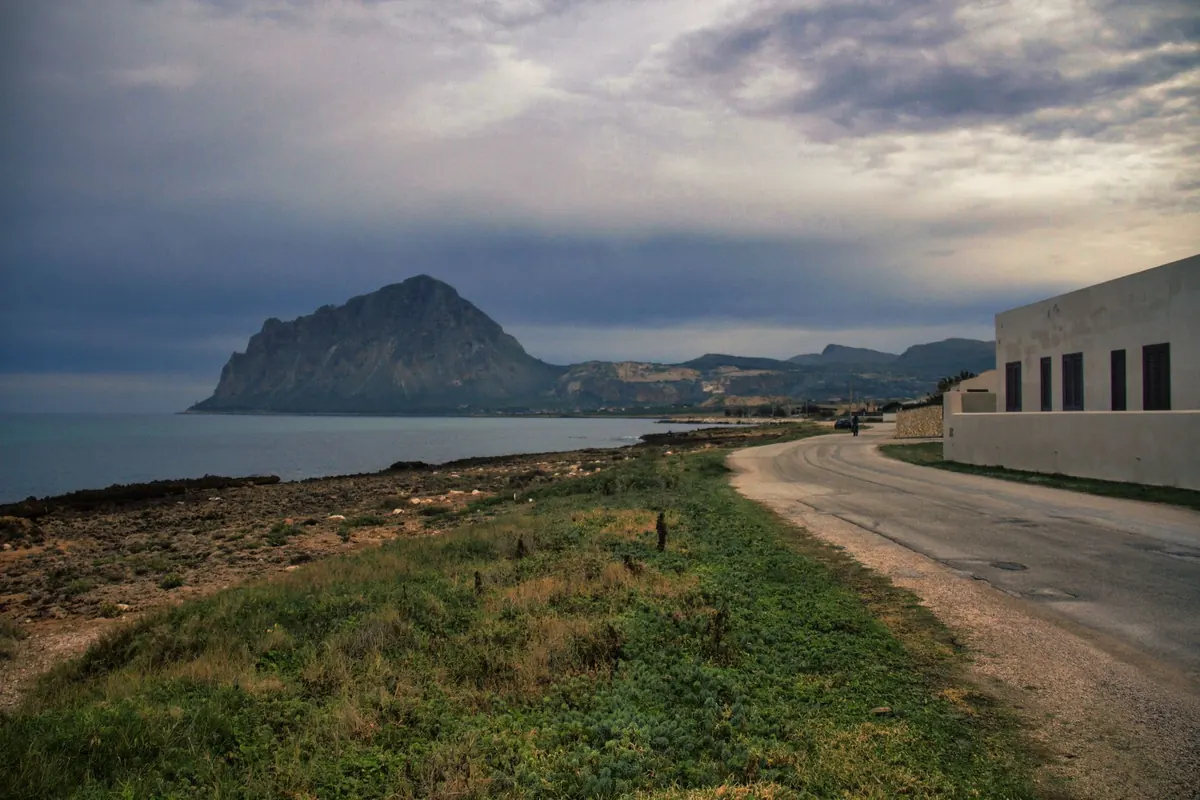
Seven days in Sicily is a generous slice of a very large island — large enough that first-timers routinely try a full loop and spend the week in the car. Don't. The route below runs one way, from Palermo to Catania, and takes in the west coast, the Greek temples of the south, the Baroque southeast and Etna, with enough slack to stop for a granita when the mood takes you. It assumes one driver, a compact rental car and a willingness to be on the road by eight. Book the car one-way and book it early: automatics go first, and the drop-off fee is worth paying to avoid retracing four hours of motorway on your last morning.
Before You Leave the Airport: Car, Rules and Warnings
Collect the car at Palermo's Punta Raisi airport, where the rental desks sit a short shuttle ride from arrivals. Take ten minutes to photograph every panel and wheel before you drive off — Sicilian car parks are tight and the damage-dispute conversation is much easier with dated photos on your phone.
A few things are worth knowing before you join the traffic:
- ZTL (zona a traffico limitato). Palermo, Catania, Trapani and Ortigia in Syracuse all restrict cars in their historic centres. Cameras log your plate and the fine can reach you at home months later. Park on the edge and walk in; the centres are small anyway.
- Fuel. Choose fai da te (self-service) over servito (attendant) to pay less. Diesel is gasolio, not benzina — check the nozzle twice.
- Tolls. The A19 and A20 are paid motorways. Take the ticket at the barrier and pay on exit, by card or cash.
- Speed cameras. Autovelox signs mean what they say. Local drivers may ignore limits; you should not.
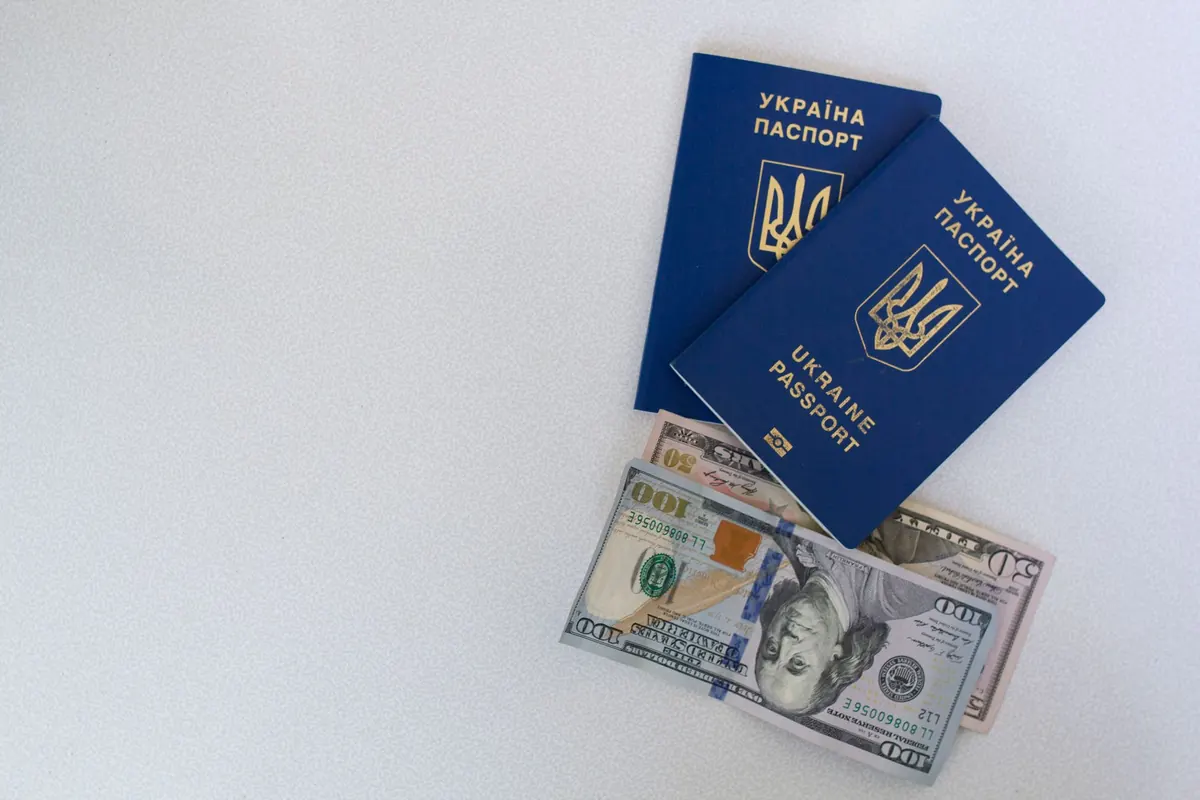
- Licence and paperwork. Carry your driving licence, passport and rental agreement. If your licence is not in Italian or English, an International Driving Permit is generally expected — confirm the current requirement with your rental company before you fly.
- Insurance. Read what the excess actually covers. Windscreen and tyre damage are often excluded, and Sicilian back roads are unkind to both.
Driving here is not the ordeal some guides suggest. It is simply more improvised than at home: scooters overtake where there is no room, and a parked van may be a delivery in progress. Hold your line, leave gaps, and skip the urge to compete.
Days 1 and 2: Palermo and Monreale
Leave the car in a garage and forget it. Palermo rewards walking: the markets at Ballarò, Capo and the Vucciria, the mosaics of the Cappella Palatina, and an evening around Piazza San Domenico eating panelle and sfincione from a paper cone. The Kalsa district and the streets around Politeama are both convenient bases.
On day two, drive the thirty-odd minutes up to Monreale for the cathedral's gold mosaics, then head to Mondello for a swim and a late lunch on the beach. Be back before the evening traffic thickens. If you have energy left, the drive up Monte Pellegrino at sunset takes twenty minutes and gives you the whole bay at once.
Day 3: Segesta, the Salt Pans and Erice
Take the A29 west towards Trapani. An hour or so in, stop at Segesta, where a fifth-century BC Doric temple stands almost alone in a green valley — you will likely have it nearly to yourself early in the morning. Bring water; there is little shade.
Continue towards the coast and follow the salt flats between Trapani and Marsala, where windmills, shallow pools and, in migration season, flocks of flamingos line the road. Erice is the afternoon's reward: a medieval hill town reached by cable car from Trapani's outskirts, cool even in August, with pastries worth the climb. Sleep in Trapani or Marsala. The SS187 is scenic and slow — expect to average well under the posted limit.
Day 4: Agrigento and the Valley of the Temples
Drive south via Mazara del Vallo if you want a coffee stop, then cut inland towards Agrigento. Allow two and a half hours without hurries. The Valley of the Temples is best in the late afternoon, when the heat breaks and the light turns the sandstone honey-coloured; the Temple of Concordia alone justifies the trip. Two to three hours covers it at a walk.
If you fancy the white cliffs at Scala dei Turchi, check locally before setting out — access has been restricted at various points in recent years and rules change. Stay overnight in Agrigento or push twenty minutes along the coast; either way, do not attempt to reach Ragusa the same evening.
Day 5: Ragusa, Noto and Syracuse
Today is inland and winding. The road to Ragusa climbs through dry hills, and Ragusa Ibla — the old town — is a maze of stairways and Baroque façades worth an hour or two on foot. Modica, ten minutes away, is the place for chocolate made from an old Aztec-style recipe. Noto is the most elegant of the three, and a good spot for a mid-afternoon break.
Finish in Syracuse and park at the Talete garage on the edge of Ortigia, then walk onto the island. Book accommodation in Ortigia itself if you can; the evening passeggiata along the waterfront, with the ruins of the Temple of Apollo lit up behind you, is one of the best free hours in Sicily.
Day 6: Catania and Mount Etna
Drive up the coast to Catania, drop bags, then head for Etna's south side via Rifugio Sapienza, roughly an hour and a half from the city. Check the volcano's status the night before; eruptions close roads and cable cars without much notice, and the mountain makes its own weather — bring a windproof layer even if Catania is 30°C. Above the treeline you can walk the craters near the refuge, or take the cable car and 4x4 higher with a guide.
Back in Catania, the fish market off Piazza Duomo runs in the morning but the surrounding streets stay lively into the evening. Leave the car parked; the centre is a ZTL puzzle and the traffic is the most aggressive on the island.
Day 7: Taormina, Then the Airport
Take the A18 north for Taormina, about fifty minutes from Catania. Park at the Lumbi or Porta Catania car parks and use the shuttle or the lifts — do not attempt to drive into the town. The Greek theatre, with Etna smoking behind the stage, is the obvious highlight, and Isola Bella below is a good last swim.
Allow a full hour back to Catania airport, plus another for fuel and the rental return. If your flight leaves before mid-afternoon, skip Taormina and spend the morning in Catania instead. Missing a flight for the sake of one more view is a poor trade.
Buffers, Parking and Other Practical Notes
Add roughly a third to whatever your maps app predicts. Sicilian secondary roads carry tractors, roadworks and unexpected diversions, and the SS115 along the south coast is scenic precisely because it is slow. Avoid driving after dark outside towns: many rural roads are unlit, signed poorly and shared with stray dogs.
Parking follows a colour code — blue lines are paid (find the parcometro), white lines are free, yellow lines are reserved. Fill up with fuel on Saturday, since many rural stations close on Sunday, and remember that plenty of restaurants shut between about 12:30 and 16:00.
Finally, resist the urge to add stops. One major site a day, a long lunch, and an early finish will leave you with better memories than a checklist. In July and August, drive in the morning and be off the road by the hottest part of the afternoon. Book Etna excursions and the Valley of the Temples in advance during high season, keep small notes and coins for parking machines, and leave the last afternoon empty. Sicily has a way of filling it for you.
Photo: Federico Galassi / Pexels